This is a young sommelier's adventure through wine, liquor and the world. You will find no ratings here. You will find somethings that are sometimes geeky, sometimes irreverent, and always presented in my own unique (and dyslexic) way. Hopefully, the content inspires exploration, a sense of adventure, a good icebreaker for conversation, and even a good sense of humor about the magical juice we call wine, the insane elixirs of ting the world of liquor, and the culture surrounding all of it. .
Showing posts with label Long Articles. Show all posts

Wednesday, May 29, 2013

Is Bourbon the New Pinot?


"It's a small batch bourbon, byproduct of Prohibition days."

Recently there have been times when I have sauntered up to a bar, ready to quench my thirst with a
lovely sip of America’s Native Spirit, only to be met with a barrage of questions bordering on judgment. I order one of my favorites, which happens to be Bakers, and instead of asking if I prefer my drink neat or with a few cubes, I am instead prodded with the offer to sample a smaller, more obscure whiskey from who knows where. Me being who I am, I most always oblige the taste to help satisfy my curiosity and expand my understanding. Unfortunately, more times than not I am met by an unrefined or unbalanced whiskey that leaves me feeling less than impressed. To be clear, I love that people are delving into the age old art of distillation and pushing the boundaries of liquor in general. But I am wary of when that experimentation is done to the sacrifice of quality.

 In 2004’s Sideways, Paul Giamatti portrayed Miles Raymond, a failing writer who found refuge from his loneliness and cynically depressing view of the world in the beauty of wine, particularly the fickle Pinot Noir. Putting personal review of the movie aside, it had a very interesting effect on the wine industry, often referred to as the ‘Sideways Effect’. During a tirade in the midst of his Pinot soaked journey, Miles exclaims “I’m not drinking fucking merlot!” and with that one simple line the once ubiquitous merlot dropped off the face of the earth and pinot became the new darling of the emerging wine populace.  Every wine bar began carrying more Pinots by the glass and bottle than ever before and people began blindly ordering it with not interest of its classic flavors and history. Many wine drinkers flocked to the newest star winemaker or region of day and so was born the new wave bottlings of unbalanced and lazy pinots that began to deflate the decades of trial and error successes that had just been gaining devotees of pure pinot noir.  A similar trend seems to be surfacing with bourbon, just in a slightly more concentrated way. We are seeing a rise of “small batch” and single barrel bourbons that are taking over from some of the mainstays of yesteryear who fought tirelessly to create and hone their skills for generations.

It is hard to go into a bar these days and not see a whole back bar full of different whiskies. There are whiskies from all over the world, made of different grains, aged different ways, using different barrels, and each pushing the boundaries of what came before. One of the fastest growing sectors of these whiskies is bourbon and more people are drinking bourbon now than ever before. In fact, Bourbon is now in such high demand that some distilleries cannot keep up and are having to make tough choices on how to give their loyal drinkers the bourbon that they love so much (yes, Makers Mark is a great example this year and no I don’t really want to talk about it). With this growth we are seeing the rise of the small distiller again, harkening back to Pre Prohibition when there were over 200 distilleries in the state of Kentucky alone. While this is an exciting time for those of us who love to try new things and explore what people are making, it does beg the question as to how much is too much and when have we overextended ourselves and forgotten about the consumers? What is the point where we have gone so far that people are turned away and begin returning to the classics or drinking something else entirely?

Micro distilling has a great history in the US. The very first licensed distillery was outside of Boston and used to make rum. But making alcohol was a huge part of our culture before then. Pioneers brought their distilling history with them to the new world, using native grains such as corn to begin making their homemade hooch. As the population grew, so too did the demand for alcohol as well as the necessity of regulating its production. Alcohol was the very first thing to be taxed by the US government, causing a small skirmish in Pennsylvania call “the Whiskey Rebellion”. It has been the subject of great debate, the constant in important decisions throughout history, the product that caused historic events such as the St. Valentine’s Day Massacre, and the thing that has helped white men dance for years. The history of alcohol, especially whiskey, is a colorful and eventful one in this country, so much so that it is far too vast for me to go over in this post. I say all of this because we are currently experiencing a renaissance in distilling and alcohol culture that we have not seen since Prohibition. More people are trying their hand at distilling, classic cocktails are coming back and evolving at a rapid rate, and people care more and more about what they drink than ever before. This brings me to the question that I have been asking and want to address; With this flux of new distilleries, are we really getting quality over quantity?

To help understand a little about where I’m coming from, I feel I need to define two phrases; “small batch” and single barrel. Single barrel is quite a simple one. It means that the whiskey in that bottle has come from one single barrel. “Small batch” is a little harder to define.  Each distillery has its own ways of aging and producing their whiskey. There are different ways of making sure that you are getting a consistent style for each “batch”. “Small batch”, which was really first coined by Beam when the “Small Batch Collection” was conceived by Booker Noe in 1992 (the collection is made up of Bookers, Bakers, Knob Creek, and Basil Hayden), refers to the use of a smaller number of barrels or barrels in specific parts of the warehouse to give a different style of whiskey. In other words, this term is entirely subjective to the distillery itself. There is no law governing what the term has to refer to. It is for this fact that I actually worry some about the future for some of these smaller whiskeys.


Now, before I go too long winded, as I fear I may have already done, I will simply say this to close this conversation out. I hope that bourbon is not becoming the new Pinot, being blindly ordered simply because it is the IT thing to do without thought for its origins or taste. Rather, I hope that it is being requested to explore and try new things, expanding ones understanding of what makes it so special and interesting. I encourage that thirst for knowledge and understanding and promote that. I also hope that the same goes for those who are making the whiskey; not making it because they can but because they have something to offer and a way to help American whiskey grow and thrive. All I’m attempting to do in implore that we remember the history behind bourbon and enjoy this resurgence of such a great thing, and say to Sideways “I will drink fucking merlot and I’ll like it”, especially if it is the 1961 Petrus he drinks from a paper cup near the end of the movie.

With that my friends, I bid you happy sipping (but of course do implore the doing of such responsibly). 

Thursday, December 13, 2012

Sipping the Germs away


So, as the title of the post might suggest…I’m sick. No one likes being sick and as much fun as the Nyquil and EmergenC are, figuring out how to cure what ails you with more “homeopathic” methods can make being sick at least slightly more amusing.

I know saying that alcohol can assist in healing will upset some people. They will more than likely state that alcohol actually weakens the immune system and makes sickness last even longer. To that, I make two cases. My first is to point out that a lot of the modern medications out there actually include small amounts of alcohol. Secondly, I am speaking about this from two perspectives: the assumption of moderation and the historical use of alcohol for healing. So, with that little argument set aside, lets talk a little about the history of healing with alcohol.

Evidence of early liqueurs date as far back as the 10th century, where herb and fruit elixirs were used as medicines by ancient civilizations.  This tradition was carried through many centuries later into some of the most well known cocktail ingredients of today. Two such ingredients were Benedictine and Green Chartreuse. Both of these were made by monks and thought to have medicinal applications long before they became ingredients in modern cocktails. The next thing to examine is bitters. Most bitters are made from an alcohol base (Fee Brothers is the most well known non alcoholic bitter). For years, they were sold at pharmacies as cures for everything from stomach sickness to headaches. Bartenders to this day believe in the power of bitters for hangovers and stomach ailments. To put an even more modern perspective on the healing powers of alcohol, we examine the history of rum. Until 1970, the Royal Navy gave out high proof rum rations as a way to combat disease, though over the years the rations decreased because of the adverse effects of alcohol on the performance of the sailors. This just goes to show that the tradition of using alcohol for medicinal purposes has been a common one for centuries and I figured, why not try some things to help me kick my cold.
For this, I decided to make a few cocktails using some of these classic “healing agents” and show you a few that might help you feel a little better while all bundled up.
The Hot Toddy
This classic winter drink is great for keeping you warm. There are a few ways of making this drink. The instructions are below:
 1 ½ oz of Irish whiskey (Greenore is my favorite), Bourbon (like Makers 46 of Bookers) or Rum (Cruzan Black Strap is my favorite)
¼ lemon
¼ oz honey
1 tea bag or fresh baking spices like cinnamon, cloves, allspice
3 oz hot water

In a mug or Irish coffee mug, pour the honey, lemon juice, and liquor of choice in the bottom. In hot water, either steap the tea bag of the spices (or both for more intense flavor) for 3 minutes. When it is ready, pour of the mixture in the mug and stir. Garnish with a cinnamon stick and either a lemon wedge or twist. Sit back and sip.

The Cartesian Sure

Named for the monks who gave us Green Chartreuse, this cocktail is an instant feel better. This is one of those magical cocktails that I’m convinced would heal a broken leg if you poured it on it.

1 oz Irish Whiskey (again, for this I use Greenore)
1 oz sweet vermouth of choice
1 oz Green Chartreuse
2 dashes of Angostura bitters

Combine these ingredients in a small saucepan and heat on low heat, until steam starts to appear. You don’t want to heat too much or the alcohol will burn off. Once warm, pour into a glass that is safe for you to grip when warm.  Then sit back, relax, and let the healing powers take over.

Ginger Toddy

This combines the healing power of ginger and bourbon. Can’t really go wrong with this combination.

1 oz favorite bourbon (I used Bakers for this)
½ oz ginger beer
¼ oz honey
Squeeze of lemon
Hot water

Combine ingredients in mug Irish Coffee mug. The ginger beer measurements can be altered depending on how much of the ginger spice you want in your drink. The kind of ginger beer also matters to for the taste. Some are more sugar based and others carry more of the spicy nature of ginger. Garnish with candied ginger or orange twist.

Hopefully these give you some ideas on how to feel a little better as the weather gets colder and the germs start to roll through the office. Stay healthy, drink smart, and happy sipping as always! Cheers. 

Thursday, August 2, 2012

Keeping Wine Relevant: Part 4

The Solution


             I am not going to pretend that I have pointed out all of the issues that face the wine industry as younger generations of consumers get older. There are a lot of issues that might see the wine industry go through a very hard time ahead, including how wine is perceived, waning interest from younger drinkers, and even environmental problems that will effect the ability to grow good grapes. However, most of the issues come down to one thing; accessibility.
             With all of the issues outlined in previous articles, there is one main theme that flows through them all; wine has become something that is seen as largely inaccessible by a younger generation of drinkers. People are becoming more and more interested in cocktails and beer, finding them to be more fun to explore. So, with that said, it in time to think about how to make wine more fun for people to explore and understand.
            There is one thing that I must point out as a positive for the future of wine and it comes from Virginia wine country. More and more people are going to Virginia wineries for tastings, and a lot of those people are younger. They are driving out of DC and going on day trips or weekend getaways and stopping by winery tasting rooms to sample their products. This mere fact gives me some hope that wine can keep up, but it has to do so more globally than just the DC area. It also needs to bring that fun experience back to the consumer in restaurants and stores.  
            In the first article, I explained how the perception of a “wine expert” is that of an old school, unapproachable, stuffy older gentleman that would look down his nose at people who say they like malbec and pinot grigio. However, with a younger drinking crowd also comes younger wine professionals. That means that the responsibility of educating and exciting the masses now falls on their shoulders more that ever. It also means that selling wine for these professionals becomes a completely different game. Where as a lot of people used to buy wine based on name and stature, more people are paying attention to price than ever before. So it comes down to really listening to what the consumer is asking for. I am no saying this isn’t done by professionals, but I am saying that this is becoming more important. This conversation will help put customers at ease and allow them to really be excited about the exploration of wine.
            Another thing that really needs to evolve is how we both speak and write about wine. There are many times that I read some of the major wine publications and I lose interest. So, if someone who focuses on wine for a living isn’t interested by articles and editorials, then how can someone just getting into wine? This does not mean dumbing things down, because that would make wine seem even more arrogant than it can already. What it does mean is that focus needs to be on attention grabbing and quick education. There is so much information out there that is vying for our attention these days that it is hard to hold people’s attention. How that is done and quality is not sacrificed is the tricky part. As technology evolves, so should making wine interesting, fun, and interactive with that technology.
            I know that this article doesn’t outline the “exact” way to solve all of wine’s woes. However, there is a rather large message seen here: wine professionals are the key to making wine accessible and fun. The biggest key is encouraging the exploration and knowledge by presenting the information that we have in an interesting, interactive, and unobtrusive way. Encouraging the exploration of all of that the wine world has to offer is exceedingly important to gaining new wine lovers. How that is done is for each person to decide and I hope that my decision to write on this blog helps with that possibility of your exploration. 

Wednesday, July 25, 2012

Keeping Wine Relevant: Part 3


The Economy

            Before I get into the bulk of this argument, I need to say one thing: I will not, and let me repeat, WILL NOT, make this section into anything political. While this portion of the series could easily go in that direction, I will not be letting it. So, if you expect something that favors left, right, center, or sideways, you will not get it.
            For several years now, we have been hearing about the recession. We hear about different companies going into bankruptcy or getting bailouts, people being out of work for long periods of time, and now, cities filing for bankruptcy. The world seems to be in a downward spiral with no definable end. People are counting their pennies more and more and not splurging on things as much as they were in the 90’s and earlier 2000’s. Young people are having a harder time getting jobs and saving money and debt is piling up. At this point, besides the possible feelings of doom and gloom that may be rushing through you, you may also be wondering what this has to do with wine staying relevant. Well, allow me to explain.
            With more people coming of drinking age due to the “baby boomlet”, the consumer base for alcohol is growing. With this economy, the average net worth of those new consumers has dropped. Currently, according to CNNmoney, the average net worth of someone 25-35 is a little over $8,000. Now, factor in rent, school loans, car payments, everyday expenses and we are not left with a whole lot of money to spend on those “extra” things. Those “extra things” include wine and spirits.
            Setting the money talk aside for a moment, let’s examine the consumption of these things. With all of the wine in the world, about 90% of it is made to be consumed within a year of it being bottled. Most younger consumers (being defined as the 25 to 35 year old age group in this case) won’t even wait that long, usually drinking the bottle that day or within a week of taking it home. If it is saved, many times it is not in ideal conditions and goes bad within a few years at best. Liquor, for the most part, has no expiration date, mainly because the higher alcohol levels allow for it to be opened and stay open without going bad. In fact, it is almost impossible to make certain liquors go bad at all. That higher alcohol content also means that a little will go much further than a glass of wine.
            All of that being said, we turn back to talking about all of this in terms of dollars and cents. According to Decanter, the average price of a bottle of wine has climbed to over $15 a bottle, up almost 80% since 2002. They also say that the average cost will continue to climb as much as 7.1% in the next 2 years. That is not an insignificant jump, especially when you consider that the average alcohol level per bottle is around 13%. Compare that to a bottle of booze; that same priced bottle of booze will carry an alcohol content in the 40% to 50% range, meaning that the likelihood of finishing a bottle in one sitting is slim to none. So, that bottle will last the consumer longer than the bottle of wine will, cutting their average spending on alcohol significantly. This also raises the question as to why people are consuming. Is it for enjoyment, understanding, to get drunk, or any number of other possibilities? This also helps dictate the amount of money that people are willing to spend on the product itself.
            So here is how I view this economy argument. For the average 25-35 year old, they are not thinking of wine as an investment, so the high end, collectable wines are out of the question. I won’t be cynical an say that all people in that age group are also drinking to get drunk, because I don’t think that this is the reason everyone drinks. However, I do believe that everyone, especially people in those age groups, are looking for value over anything. It is hard to argue that the value of a bottle of liquor or a six pack is less than the value of a similarly priced bottle of wine. Mathematically, it just isn’t. With all of this, how does one make the argument for someone buying wine over other alcohols of the same price?
            It is a hard argument to make, and often times one that does not make much head way. We are in a generation that flocks to places with great cocktails and beer lists rather than great wine lists. The thirst for more knowledge and understanding of these products seems to be far greater than that of wine. Some of this goes back to the first part of this series and the conversation of wine being approachable. Does price make it less approachable as well? I would tend to argue that is does and that, and until people have more liquid assent to spend on wine and exploring it, that the trend will stay that way. 

Wednesday, July 18, 2012

Keeping Wine Relevant: Part 2


Conversation

            One of the things that can either get someone excited about something or turn them off completely is how it is talked about. This goes beyond wine and cocktails. This thought goes throughout life. If you speak of things with enthusiasm and excitement, then others are more likely to listen. That being said, the words used are pretty important too.
            As I have said before, and will continue to say, the way wine professionals talk about wine needs to change. Wine needs to be shown as something that can be approachable, not unreachable. But, don’t take it from me; let’s examine some of the terms used to talk about cocktails and wine and how they might effect someone either just getting into or seeking to understand wine and cocktails more deeply.
            When talking about cocktails, many people use cool, even sometimes even crass terms and words to describe them. You are more likely to hear people refer to a cocktail as “bad ass”, “awesome”, “poundable” and other terms. This is not to say that you won’t also hear things like “balanced”, “complex”, or “interesting”. But, when is the last time you heard something like “this cocktail is great, but it needs to breath for about 20 minutes”? Never. People enjoy cocktails as they are presented. Sometimes, the bartender doesn’t quite get it right, or people will put ice into a glass of whiskey that makes the bartender shudder. However, those personal preferences can be influenced by cool, intelligent, and even witty conversation.  Talking about cocktails can often be, for lack of a better word, fun.
            Now, lets think about how people talk about wine. Words are often used that, sometimes, make absolutely no sense to some people. “Tannins”, “terrior”, “minerality” and “structure” are only some of the words that can be used to describe wine, not to mention all of the crazy flavor descriptors. I am not going to say that these words are bad or incorrect, as all of those things are part of what makes wine what it is. However, what do some of those words mean for the new or amateur wine drinker? What does “lemon pith” mean to someone who is more likely to eat fried foods than concentrate on what different parts of a lemon taste like? All of these things add up to one word: unapproachable.
            In the age of social media, it is almost impossible to get someone’s attention. How do you describe something so intricate as a well made cocktail, whose history is vast and influential, or a wine, whose sense of place and intricate techniques can change everything about the wine, in 150 words or less? How do you break down things that are so complex and make them simple? That is a struggle that we all go through as beverage professionals and one that will continue, but also one that needs to be examined if we hope to continue to develop educated and interested consumers, particularly in the case of wine.
            An approachable means of communication…maybe this is the answer? Or maybe, that’s too simple. Tune back in for part 3 for another idea that just might have the answer. Until then, keep exploring and, as always, enjoy drinking delicious things.

Monday, July 9, 2012

Keeping Wine Relevant: Part 1


As I pull up a lot of blogs, websites, magazines, and others forms of media, I see more and more stories and opinions about cocktails. It seems that people are becoming more and more infatuated with cocktails, who makes them, and the history behind them. Now, don’t get me wrong, I love the fact that people are making an effort to become more educated drinkers, more curious about the history behind them and why we drink. However, with the pendulum swinging so far in the direction of cocktails (and sometimes beer…I can’t forget about you beer drinkers), it leaves those of us who have made wine a career to wonder if we are being left behind. It seems that people find wine uninteresting for any number of reasons. This series of entries will explore what some of those reasons may be. I don’t aim to present absolute answers for this feeling or question, but rather present the things that may be standing in the way of wine being seen with the same enthusiasm and interest that cocktails seem to be right now. 

Creativity
One of the first things that came to mind for this article is the idea that cocktails seem to be more creative than wine. Now, let me say this up front before I cause some uproar from this thought: cocktails ARE creative. I would never say that they are anything but, and that is one of the reasons that I myself have enjoyed being a beverage and cocktail director in restaurants.  So, yes, they are certainly creative. However, I think that the part of the allure of the creativity of cocktails is that, many times, it is immediate and tangible. 
Most places create cocktails at that moment, in front of the consumer. The performance is how they are prepared (shaken, stirred, with flair, lit on fire, and any number of other preparations that exist). The creativity is something that can be seen and experienced in other terms other than simply drinking the cocktail. There is a story behind the cocktail, but many times the story is part of the overall performance. The creation and preparation is part of the story that the drinker can then walk away with and tell to their friends. 
Compare that creativity with the creativity that is involved with wine. Most times, that creativity is done far away from the consumer, by scientist and wine makers who dissect every step of the wine making process. The creativity is done inside barrels and caves that many people will never see in person. Every step of the wine making process can dictate what the final product will be like. However, most of the time, none of that is ever seen until you pop the cork and pour it into the glass. Even then, unless it is tasted against other wines of similar variety, that creativity is never realized. It takes someone who knows the wine well to be able to communicate that creativity and history behind the finished product to the consumer. However, there involves the last point of this creativity argument: the people who bring the product to you. 
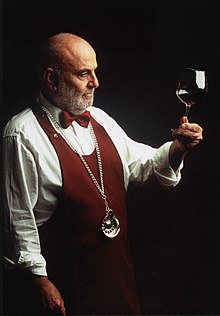
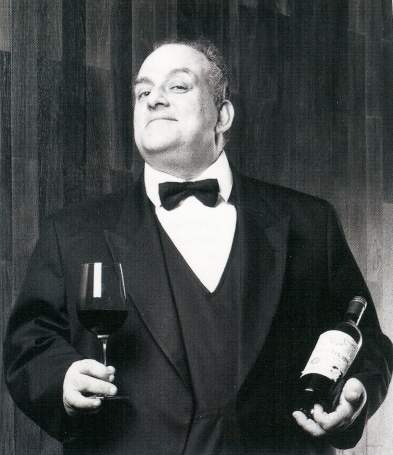
Through a quick and simple google search, I wanted to compare the images of those people who are responsible for explaining the story and history of the product they are serving. In fairness, I chose the most high brow titles for each that I could think of: mixologist and sommelier. Look below and compare the results…

MIXOLOGIST


SOMMELIER


These images are only an example of many of the photos available on google for those two words. However, they paint a very interesting picture. The mixologist seem younger, more hip, approachable, and active. The sommeliers are typically older, unapproachable, and rather pompous, not to mention, all men. Now, don’t get me wrong, I know some female sommeliers, but the majority are men. In fact, there are less than 30 female master sommeliers in the country out of the almost 200 that exist. That is a lowly 15%. That raises the question, are sommeliers unapproachable to most. And there is where the creativity argument gets interesting. Who is making the drinks and pouring the wine is almost as important as what is being made and poured itself. If it is done with pomp and circumstance, then why would people come back or want to learn more? Most people have a low tolerance for arrogance and it shows in what they drink and where they go.
So, creativity and presentation…could this be the answer to wines woes? Wait for part two and we will continue the conversation. Until then, enjoy drinking something delicious!

Tuesday, May 8, 2012

Looking Back in Order to Better Look Forward


I like to think about what was going on the year the grapes were growing; how the sun was shining; if it rained. I like to think about all the people who tended and picked the grapes. And if it's an old wine, how many of them must be dead by now. I like how wine continues to evolve, like if I opened a bottle of wine today it would taste different than if I'd opened it on any other day, because a bottle of wine is actually alive. And it's constantly evolving and gaining complexity. That is, until it peaks…And then it begins its steady, inevitable decline.

- Virginia Madsen fromSideways”

Writing about “wines of my past,” is a somewhat challenging task. Legally, I have only been able to drink for five years, which isn’t that long. This then takes me to wines of my childhood, of which there were few. The wines I remember most were those at church—I grew up in an Episcopal Church where wine (red, and champagne on Easter) is offered, as a matter of course, to everyone, every Sunday, without fail.  At home, I remember my dad returning from his weekly business trips and raving about Paraduxx and other wines from Duckhorn. But in my family, wine was not a part of our nightly routine. Not that my family was opposed to it; instead, a glass of wine or bourbon (my mother is from central Kentucky, the area made famous by its bourbon) was simply more of an occasional or celebratory drink. Maybe that’s where the allure of wine began for me. 

One of my first jobs, not counting my after-school dog walking, was helping open Sonoma on Capitol Hill (for those of you who do not know me, I am proudly a DC native).  When I started with Sonoma, I knew three types of wine: red, white, and bubbly; I did not understand the big deal about having 48 different wines by the glass. But I had a manager who wanted to teach, so with him, I tasted and learned. Admittedly not much took hold at first, that is until I tasted the Argiolas Vermentino from Sardinia.

Now a brief note of context: Most wine lovers I know have that special wine that “did it” for them. This is the wine they will always remember and speak of fondly, almost like their first love. Mine is not a $5,000 bottle, not even a $100 bottle. The Argiolas might top out at $45 on a wine list (as a matter of fact, that is exactly what it is on mine), but it is a wine worth trying. When I tasted it, I had a Despicable Me moment of “Light Bulb!” I got the floral quality of the wine and then caught wind of a sea breeze finish, which left me completely confused and insanely curious. I knew at that moment that wines are indeed different and I wanted to learn more.

My junior year in college, I spent a semester in Italy where I had an internship making wine with the Frescobaldi family at their vineyard just outside Florence.  There I discovered the meaning of wine culture—that each wine has a story, person, and place behind it. Some of the wines are made by families who have lived in the same town for generations, some since the 1500s. The notion of capturing history and personality in a bottle of wine really caught my attention. But even more captivating was how wine was so much more than just a drink to the Florentines; you opened the bottle and what you got was WINE—a vehicle for expression; a libation that helped the conversation run more freely (and sometimes more loudly); and most appealingly (or alluringly, in my case) a tradition that brought people together across the table and the generations. Before you think I may have gotten completely carried away or besotted by the more romantic aspects of the wine culture, I have to say, in my own defense, that I spent my fair share of time in the fields, pruning vines and picking grapes (not easy work for those who have done it). Still, from a macro perspective, based on my time with Frescobaldi, I believe wine is a cultural experience, not simply a drink!

My mission is to do through life with a sense of discovery through food and thought.  As a sommelier, my tastes are continuing to evolve with every wine I try, so the discovery never really stops. This year alone, Italy defined 20 new wine regions and new wine makers are being discovered (by other means besides the newest Bachelor). Each bottle will contain its own personality and history for us to taste and discover, and in this process, I like to think that like Madsen’s wine, I am constantly evolving and gaining complexity. But this is the allure of wine. The sense of discovery never stops, so in that regard, we are all still in our childhood, open and ready to learning and growing with each sip.


Thursday, January 12, 2012

A blast from the past: Chilean Wine Article


So this is an article that I published about a year ago. I hope you enjoy reading it. The trip was pretty eye opening, since it was in a wine growing country that has so often been overlooked. 

Chile….A True Nation of One
Last fall I traveled to Chile as part of the Discover Chile program. This program takes 8 people to Chile every year, with the mission to educate American sommeliers and their clients about Chilean wine and culture. As the year that marked the bicentennial of Chile’s independence from Spain, 2010 had been anticipated as a time of celebration. But with three tsunamis, an earthquake that created “catastrophe zones” throughout nearly half the country,  and  a mining disaster that trapped 33 brave men underground for 69 days, the Chileans’ bicentennial year appeared to me as more a time of trial than celebration.
Surprisingly, whether it was while sitting among great company and talking all things wine in the Unduraga tasting room or enjoying warm hospitality and a mountain side lunch at Montes, I found it hard to believe that Chile was going through one of its hardest years in recent memory. They captivated me not with their stories of disaster, but with their sense of connection to one another; in other words, with the clear impression that the people of Chile fall together, and they are rising together. Currently, the Chilean wine industry is back in full charge. New vintages are being released, new projects unveiled, and new wineries built. All through Chile, wine is being made and its possibilities explored. This trip was truly an experience of a lifetime. The Chilean people were some of the most welcoming and hospitable I have ever experienced and I am thankful to have had such a wonderful opportunity.
Terroir: A Sense of Place, Including its People
When talking to the vintners about wine, I was curious to hear them speak of  a  place’s unique “terroir” and how it defines the wine. For those of you who have never heard the word “terroir”, Google (the source of  the world’s knowledge these days) defines it as “a French term…used to denote special characteristics that geography bestowed upon particular varieties”.  So in wine terms (wine geek alert!), I understand terroir as referring to the sense of place that is unique to each wine.
Aspects of terroir can include the weather and soil conditions of an exact location, the town around the vineyards, the conditions of that particular year, and, as I learned from Chilean vintners, terroir can extend to the people of the areas, who they are, how they work together and support one another. When they talk about winemaking practices or their products as being sustainable, Chileans are including their people, believing in an inseparable connection between their quality of life and the quality of their wine.
In the world of wine making, it is common to see immigrants in the field doing the manual labor. California employs people from all over the world; Italy, where I worked for three months, employs many people from Senegal. But, in Chile, the vast majority of the field workers are Chileans who are from the towns nestled throughout the wine country.  Aurelio Montes, wine maker for Montes Winery, says “Sustainability is about the wine, the earth, the land around you, the people, the town they live in, the schools their children attend, and the list goes on. When we make wine, we realize that everything can define it. If we have happy people, we will have well made wine”.
“Happy” seems to be an understatement for the workers at Montes and many other wineries in Chile. As an example of what they care about and their priorities, Aurelio told me that the morning after last year’s quake, workers first checked on their family, then they came immediately to the winery to check on their wine. After they saw that it was okay, they returned home and began to rebuild. There is a kind of seamlessness between their work and their lives. Dedicated, proud, and happy workers!
My trip opened my eyes to the wonderful spirit of the Chilean people—something I think about each time I drink a glass of Montes or Tamaya. They are smart people and while they may be anxious that their wine could soon have its turn in the world’s spotlight (thanks to the press around Clo Apalta), the quality of their wine is certainly on the rise and they are learning from Australia and Argentina not to rely on just one wine. Above all, Chileans love their wines, love their land, and love the fact that they can call it all theirs. Let’s hear it for terroir!

I traveled to 15 vineyards in 9 days.

I tasted 300 wines.

I  traveled over 400 miles around a country where each mile can make a world of difference in the wine.

I slept under more stars than I had ever seen, making it seem like an even more perfect place to learn about a people, a culture, and even about yourself.

I will never forget my time in Chile and hope to go back soon.

This is the link to a fantastic group for Chilean wines. Check them out and next time you are in a store, try a Chilean wine! Wines of Chile